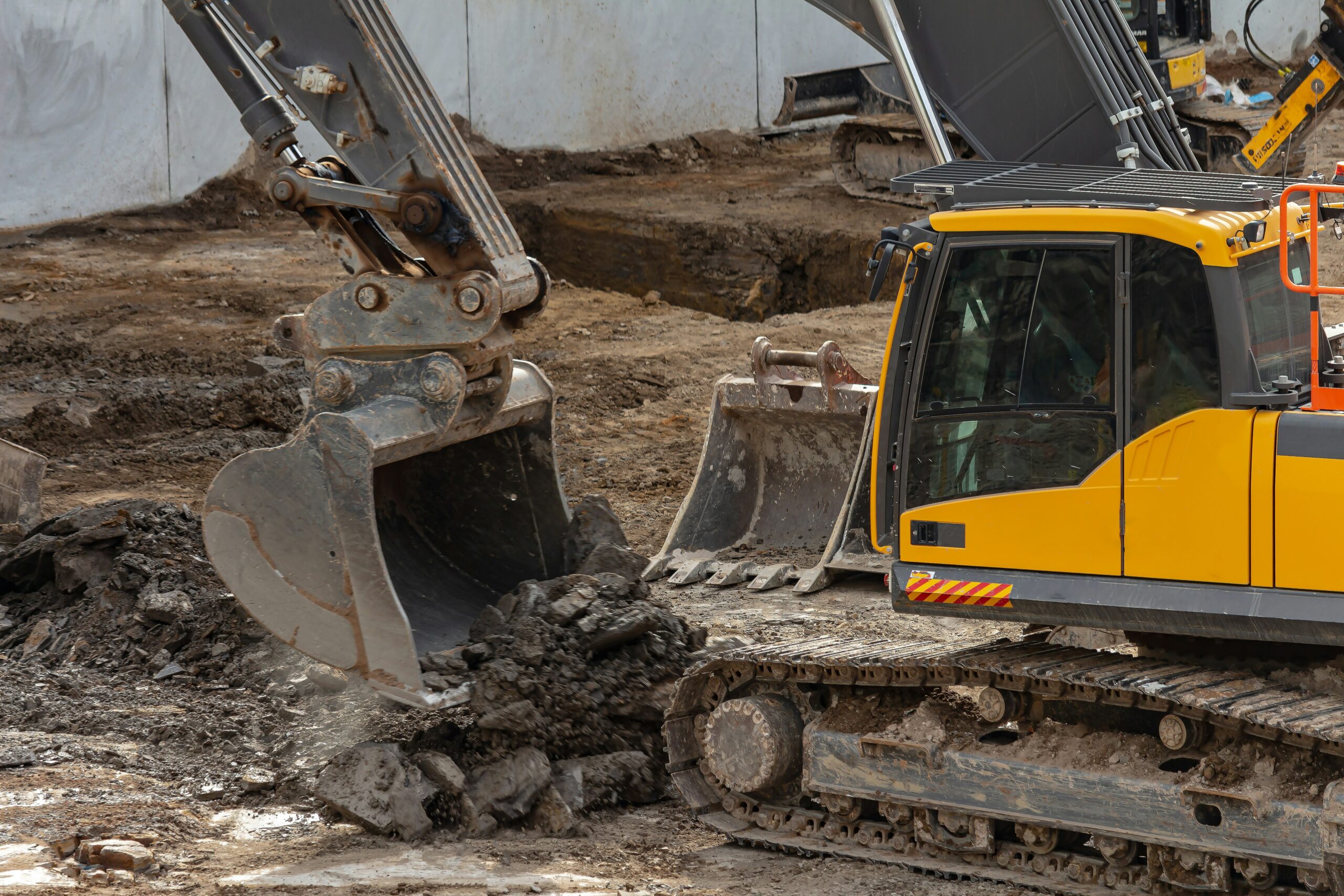
Excavation is a critical step in any construction project, whether you're installing a septic system, building a retaining wall, or preparing a site for a new structure. A well-executed excavation process ensures a stable foundation, proper drainage, and long-term durability. But what exactly does excavation involve? In this guide, we’ll break down the excavation process from start to finish, answering common questions and covering key considerations along the way.
Excavation is the process of removing earth, rock, or other materials to create a foundation for construction. It plays a crucial role in site preparation, ensuring stability and preventing issues like soil erosion or improper drainage. Without proper excavation, structures can suffer from uneven settling, water damage, or foundation failure.
Before any digging begins, the first step is site assessment and planning. This phase involves:
Do I need a permit for excavation?
Yes, most excavation projects require permits to ensure compliance with local building codes and environmental regulations. Failing to obtain the right permits can result in fines or project delays.
Once the planning is complete, the next step is land clearing. This involves:
Proper land clearing ensures that the excavation team can work efficiently and safely without obstructions.
Now, the real excavation work begins. This stage depends on the type of project, whether it’s for a septic system installation, retaining wall foundation, or building construction. The process typically includes:
How long does excavation take?
The timeline varies depending on the project size, soil conditions, and weather. A small residential excavation can take a few days, while larger commercial projects may require weeks.
After excavation, the soil must be tested and compacted to ensure stability. This process involves:
Proper compaction is essential for preventing foundation issues, such as cracking or sinking, over time.
Drainage plays a crucial role in maintaining structural integrity. Depending on the project, this step may include:
How does excavation affect drainage?
Excavation alters the natural landscape, so proper drainage planning is necessary to avoid water pooling or erosion issues that could compromise the structure.
Once the primary excavation work is complete, the site is backfilled and graded to finalize the landscape. This includes:
If you’re preparing for a retaining wall installation, backfilling is particularly important to prevent soil movement and improve longevity.
The final step in the excavation process is cleanup and inspection. Contractors will:
Excavation doesn’t always go as planned. Here are a few challenges and how professionals handle them:
Excavation is much more than just digging a hole—it’s about precision, safety, and proper planning. Whether you’re installing a septic system, preparing land for a retaining wall, or laying the groundwork for a new home or commercial project, professional excavation ensures long-term stability and success.
By understanding each step of the excavation process, property owners can make informed decisions and work with experienced professionals to achieve the best results.
If you’re in need of excavation services, septic system installation, or retaining wall construction, our expert team is here to help. Contact us today for a consultation and let’s get your project started!

