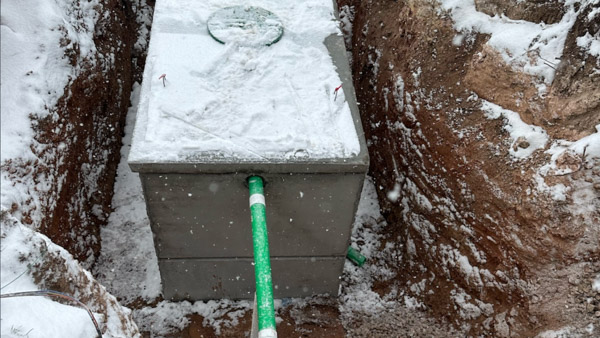
Whether you’re installing a new septic system or caring for an existing one, it’s normal to have questions. We’ve compiled answers to the most frequently asked questions to make navigating your septic system easier.
The cost of a septic system depends on factors like tank size, system type, soil conditions, and local regulations. Installation costs range between $10,000 and $40,000, while regular maintenance, like pumping, typically costs between $200 and $600.
Septic tanks should generally be pumped every 3 to 5 years, depending on the size of the tank and household usage. Homes with more people may require more frequent pumping, while smaller households can go longer between services. Regular pumping is crucial to avoid backups and system failure.
Yes, you’ll likely need permits for septic system installation to ensure it meets local health and environmental standards. Check with your local health department or rely on a professional service provider to manage the permitting process.
Replacing a septic system can cost anywhere from $8,000 to $30,000 or more, depending on the type of system, size, and complexity of the project. Factors like soil conditions and whether old components need removal can also affect the final price.
The ideal tank size depends on your household’s water usage. For example:
A professional can evaluate your water usage to recommend the most suitable size.
Soil type is crucial to septic system functionality. Sandy soils drain quickly, which can pose a contamination risk, while clay soils drain slowly, increasing the risk of pooling or backups. A percolation (perc) test or soil analysis are typically required to determine the soil’s suitability for a septic system.
A properly installed and maintained septic system can last 20 to 60 years, depending on the materials and type of system:
This depends on your property’s soil, space, and water table. Common systems include:
A professional consultation can help determine the best option for your property.
Installing a septic system usually takes 1-2 weeks, including soil testing, obtaining permits, excavation, and system setup. Complex systems or challenging soil conditions may require additional time.
While it’s possible to DIY a septic system installation, it’s highly discouraged. Improper installation can lead to system failure, contamination, and costly repairs. Additionally, most areas require licensed professionals to ensure the

