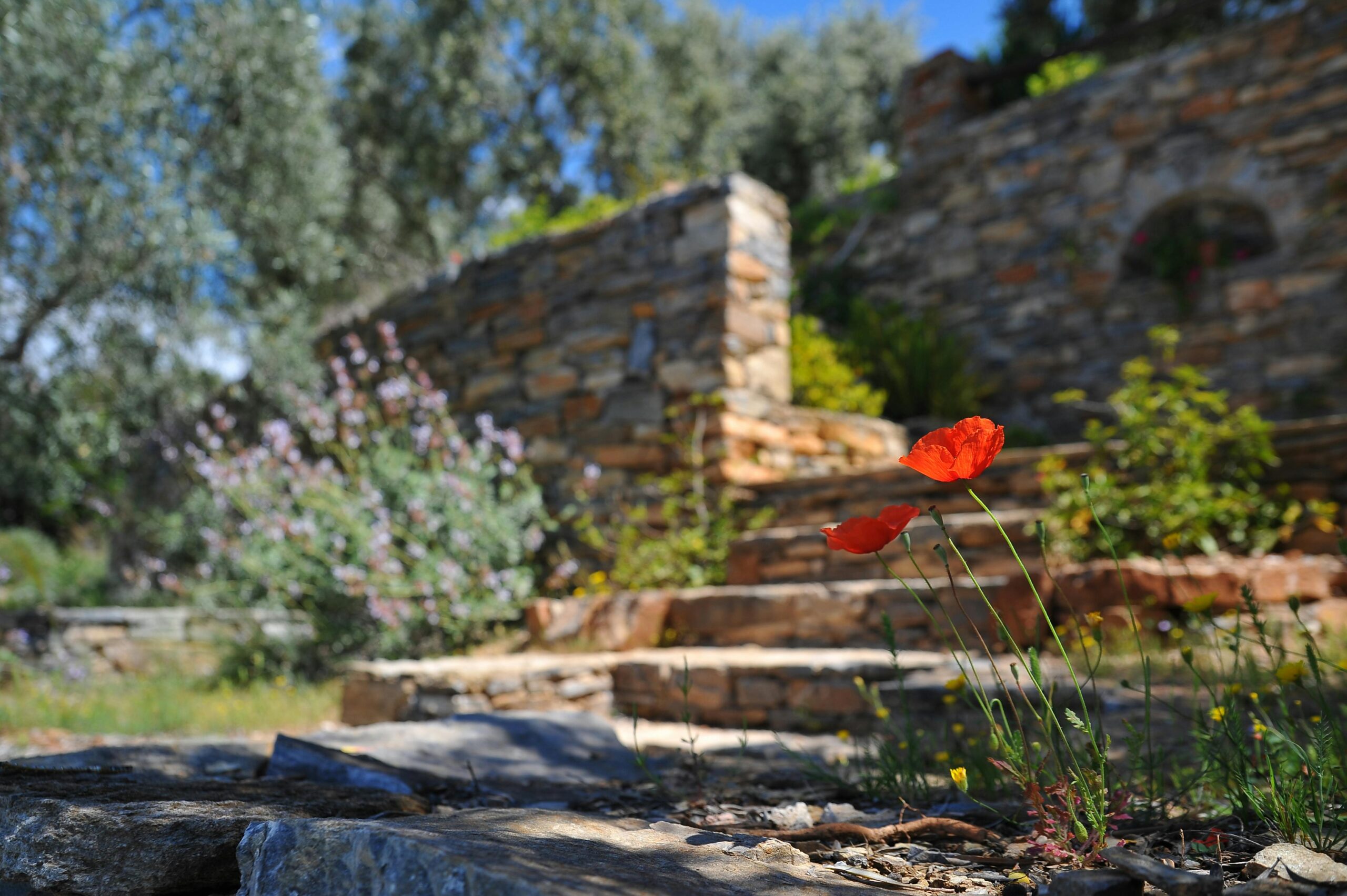
Erosion is a natural process that occurs when soil is displaced by wind, water, or other environmental factors. While this process can shape landscapes over time, uncontrolled erosion can lead to significant problems for property owners. It can wash away valuable soil, destabilize slopes, and even threaten the foundation of buildings. For these reasons, retaining walls have become an essential solution for managing erosion and preserving the integrity of landscapes.
Retaining walls are structures designed to hold back soil and prevent it from moving downhill. They are commonly used in residential, commercial, and industrial settings to control erosion, create usable land on sloped properties, and enhance the aesthetic appeal of outdoor spaces. In this post, we’ll explore why retaining walls are so effective for erosion control, how they work, and what factors to consider when building one.
At their core, retaining walls are about stability. They provide the necessary support to keep soil in place and prevent it from shifting due to gravity, water flow, or other forces. Here’s how retaining walls address the key challenges of erosion:
One of the main functions of a retaining wall is to counteract the natural tendency of soil to move downhill on sloped terrain. This movement, known as soil creep, can destabilize landscapes and damage structures. By creating a physical barrier, retaining walls hold soil in place, ensuring that it stays where it belongs.
Water is one of the biggest contributors to erosion. During heavy rains, runoff can carry soil particles downhill, eroding the land over time. Retaining walls often incorporate drainage systems, such as weep holes or perforated pipes, to manage water flow. These features help direct water away from the soil, reducing the risk of erosion and minimizing pressure on the wall itself.
On sloped properties, retaining walls can transform uneven terrain into flat, usable land. This not only makes the space more functional but also reduces the risk of erosion by stabilizing the soil. Level surfaces are less prone to water runoff, which means less erosion over time.
Uncontrolled erosion can compromise the stability of buildings, driveways, and other structures. Retaining walls act as a protective barrier, preventing soil from shifting and safeguarding nearby structures from damage.
There are several types of retaining walls, each suited to different applications and environmental conditions. Here are the most common options:
These walls rely on their sheer weight to hold back soil. Typically made of stone, concrete, or large blocks, gravity walls are ideal for shorter walls or areas where soil pressure is relatively low.
Cantilevered walls use an L-shaped design with a base that extends beneath the soil. This design provides additional stability and is often used for taller walls where more support is needed.
Sheet pile walls are made of steel, wood, or vinyl and are driven deep into the ground. They are commonly used in areas with soft soil or tight spaces where other wall types may not be practical.
Anchored walls are reinforced with cables or rods that are anchored into the soil or rock behind the wall. This type of wall is highly effective in areas with heavy loads or steep slopes.
Segmental walls are constructed using interlocking concrete blocks. These walls are versatile, durable, and can be designed to handle significant loads. They are a popular choice for residential and commercial projects.
While retaining walls are an effective solution for erosion control, proper planning and construction are essential to ensure their success. Here are some factors to keep in mind:
Understanding the type of soil on your property is crucial. Clay, sand, and loam all have different properties that affect how they interact with water and pressure. A soil analysis can help determine the best type of retaining wall for your needs.
Proper drainage is critical to the longevity of a retaining wall. Without adequate drainage, water can build up behind the wall, increasing pressure and potentially causing the structure to fail. Incorporating drainage pipes, gravel backfill, and weep holes can help prevent this issue.
The height of the retaining wall and the load it needs to support will influence the design and materials used. Taller walls or those supporting heavy loads may require additional reinforcement, such as anchors or a cantilevered design.
Many local governments have regulations governing the construction of retaining walls, especially if they exceed a certain height. It’s important to check local building codes and obtain any necessary permits before starting your project.
While smaller retaining walls can sometimes be DIY projects, larger or more complex walls require professional expertise. Hiring an experienced contractor ensures that the wall is designed and built to withstand the test of time.
In addition to preventing erosion, retaining walls offer several other benefits that make them a valuable investment for property owners:
Retaining walls can be designed to complement the overall look of your property. Materials like natural stone, decorative concrete, or timber can add a touch of elegance and enhance curb appeal.
By creating usable land and improving the overall appearance of your property, retaining walls can increase its value. They’re especially appealing to potential buyers who prioritize functionality and aesthetics.
Retaining walls can help reduce sediment runoff into nearby water sources, protecting the environment and promoting healthier ecosystems. They’re particularly valuable in areas prone to heavy rains or flooding.
Retaining walls are more than just barriers—they’re essential tools for controlling erosion, protecting property, and enhancing landscapes. By preventing soil movement, managing water flow, and creating stable ground, they address some of the most pressing challenges associated with sloped or uneven terrain. Whether you’re dealing with a small residential yard or a large commercial property, a well-designed retaining wall can make all the difference.
At Regal Service, we specialize in designing and building retaining walls that are both functional and beautiful. Our team of experts will work with you to create a solution tailored to your property’s unique needs. Contact us today to learn more about how we can help protect and transform your landscape!

