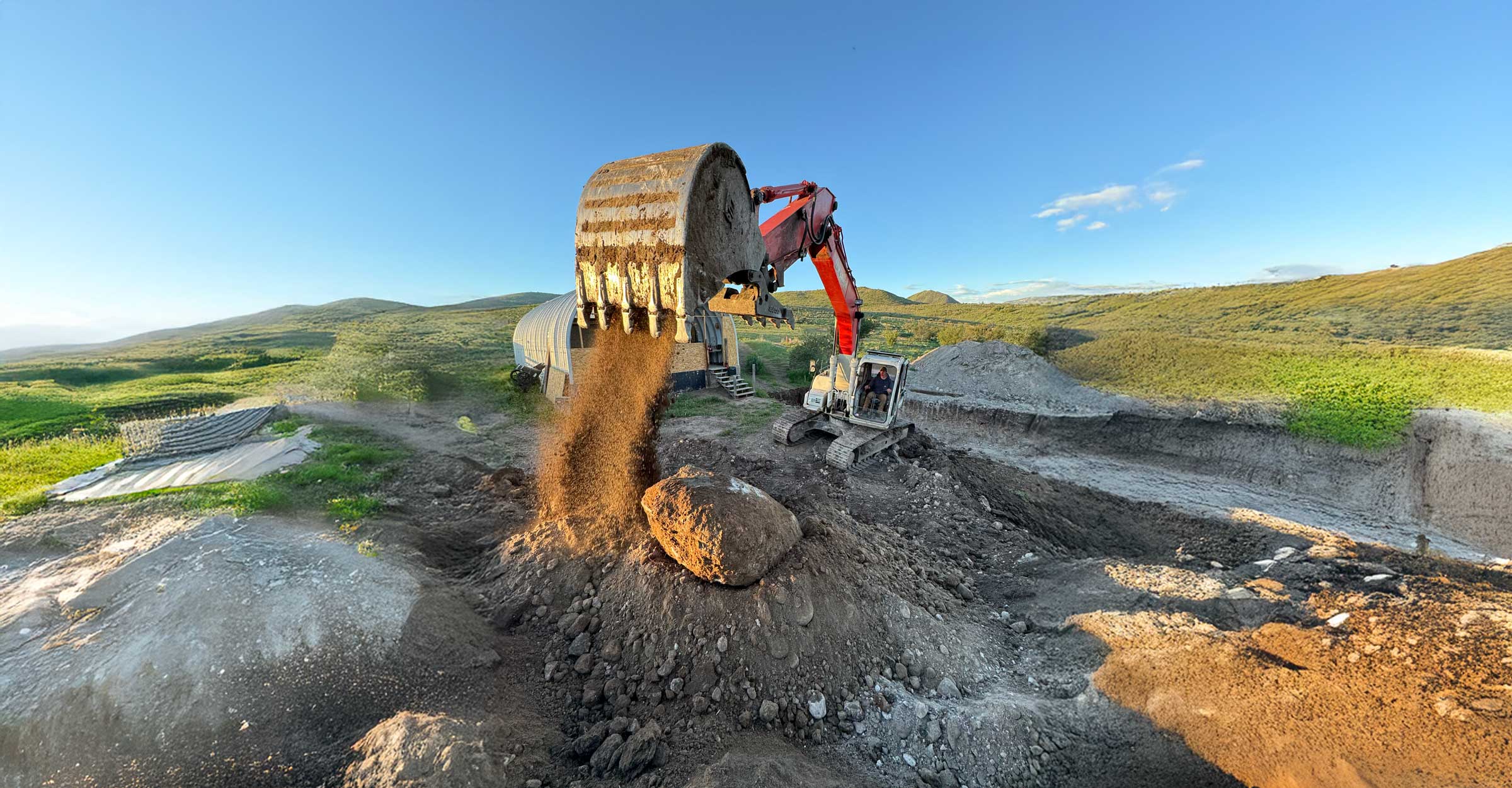
When it comes to installing underground utilities like water lines, sewer systems, and electrical conduits, one thing is clear: not all excavations are created equal. Depending on what type of utility you’re installing, the tools and equipment used can vary greatly. In this blog post, we’ll break down the differences between sewer line excavation, electrical trenching, and water line installation—explaining what’s involved and what kind of machinery is needed for each job.
Whether you're a homeowner planning a new build or a contractor in need of excavation support, understanding the basics can help you avoid costly mistakes and ensure your project goes smoothly.
Different types of underground utilities serve different functions—and they each have specific installation requirements governed by local building codes. For example, sewer lines need to slope downward to allow gravity flow, electrical lines require deep burial and careful insulation to prevent damage or hazard, and water lines must be installed below the frost line to prevent freezing.
Because of these requirements, the depth, width, location, and safety considerations for each trench or excavation vary, which means the equipment used can’t always be one-size-fits-all.
Sewer lines are typically buried deep in the ground—anywhere from 4 to 12 feet, depending on local codes, terrain, and frost depth. These lines require a constant downward slope from the building to the main sewer or septic tank, which adds complexity to the excavation process.
Electrical trenching comes with unique safety challenges. Power lines must be buried at specific depths, and trenches need to be wide enough to allow for safe conduit installation and separation from other utilities. In most areas, electrical lines must be buried at least 18 inches deep, but in colder climates like Wasatch or Summit County, this depth may increase to prevent damage from frost or soil movement.
Water lines must be installed below the frost line to prevent freezing—typically 30 to 36 inches deep in Utah. Like sewer systems, water lines also require a trench that protects them from damage and allows easy maintenance access if needed.
Yes—different types of underground utilities require different excavation methods and tools. Here’s a quick comparison:
| Utility Type | Typical Depth | Equipment Used | Key Concern |
| Sewer Line | 4–12 ft | Mini excavators, trench boxes | Maintaining slope, pipe sealing |
| Electrical Line | 18–36 in | Trenchers, hand tools | Safety, insulation, code compliance |
| Water Line | 30–36 in | Backhoes, compactors | Frost protection, pipe integrity |
In many cases, one project may involve all three utilities, and an experienced excavation team will switch between tools and techniques as needed.
Excavation work in Utah—especially in areas like Heber, Park City, and surrounding Wasatch and Summit Counties—comes with unique challenges. Rocky soil, steep slopes, and cold winters mean that only experienced excavation professionals with the right tools can do the job right the first time.
If you’re building a home, upgrading your utilities, or planning a development project, working with a local excavation company ensures:
No matter what kind of underground utility you’re working with, calling 811 before excavation begins is required by law. This free service ensures that all existing utilities are located and marked before digging starts, preventing accidents and costly repairs.
Excavating for underground utilities is not just about digging a hole—it's about precision, safety, and long-term reliability. From sewer line excavation that requires careful slope calculations to electrical trenching with strict safety codes, every utility demands specialized equipment and knowledge.
At Regal Service, we provide full-service excavation for utility installation across Heber, Park City, Wasatch County, Summit County, and surrounding Utah areas. Whether you're working on new construction or upgrading old lines, our team has the tools and experience to get the job done right.
Ready to start your underground utility project? Contact Regal Service today for a free consultation.

