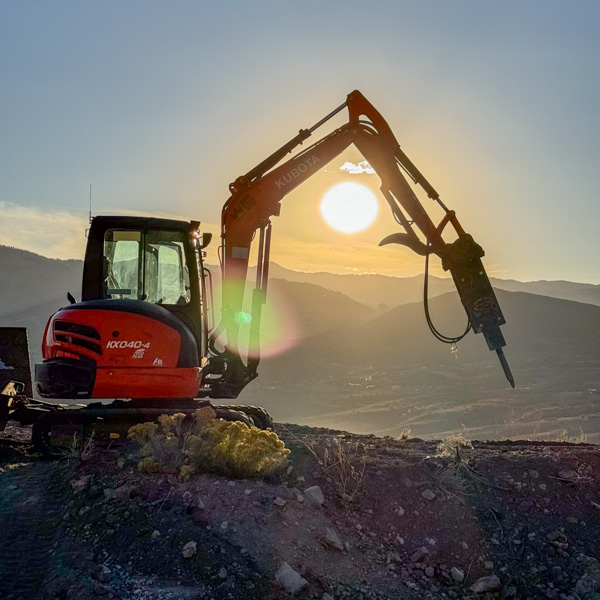
Improper excavation can lead to a host of issues that jeopardize the entire project. Here’s why getting it right from the start is so crucial:
The stability of any structure depends on the quality of its foundation. If the ground beneath a building isn’t properly prepared, it can lead to settling, cracking, or even collapse. Proper excavation ensures that:
Water is one of the biggest threats to buildings, and proper excavation is key to managing it effectively. Grading the site ensures that water drains away from the structure rather than pooling around it. Drainage systems, such as French drains or swales, can also be installed during excavation to direct water where it needs to go.
Excavation creates the trenches needed for utility lines, including water, sewer, gas, and electrical systems. Precision is critical to avoid damaging existing infrastructure or creating safety hazards. Proper excavation techniques ensure that:
While it might be tempting to cut corners during excavation, doing so often leads to expensive repairs down the line. Problems like uneven foundations, poor drainage, or unstable soil can be costly to fix after construction is complete. Investing in proper excavation upfront saves money and time in the long run.
Excavation work must comply with local building codes and environmental regulations. For example, certain projects may require erosion control measures, permits, or adherence to guidelines for protecting nearby water sources. Professional excavators understand these requirements and ensure the work meets all standards.
Excavation involves a series of steps designed to prepare the site for construction. Each step requires careful planning and execution:
Before any digging begins, the site is evaluated to determine:
Professional surveyors mark the boundaries of the excavation area to ensure accuracy. This includes identifying where foundations, utilities, and other features will be placed.
Vegetation, debris, and topsoil are removed from the site to create a clean workspace. This step may also involve the removal of large rocks or tree stumps.
Heavy equipment like excavators, bulldozers, and backhoes are used to:
To prevent settling, the excavated area is compacted to create a solid base. If the existing soil is unsuitable, it may be replaced with gravel, sand, or other materials.
Before construction begins, the site is inspected to ensure it meets all specifications and regulations. This step is critical for avoiding delays or issues during later phases of the project.
Excavation is a complex process that requires specialized knowledge and equipment. Hiring professional excavators ensures:
When selecting an excavation contractor, look for:
Excavation is far more than just digging; it’s the foundation of every successful construction project. By ensuring structural stability, managing water effectively, and providing space for utilities, proper excavation sets the stage for everything that follows. Skimping on this critical step can lead to serious issues, but investing in professional excavation services ensures your project is built on a strong, stable foundation.
Ready to get started? At Regal, we specialize in excavation services that prioritize quality, safety, and efficiency. Contact us today to learn how we can help prepare your site for success!

