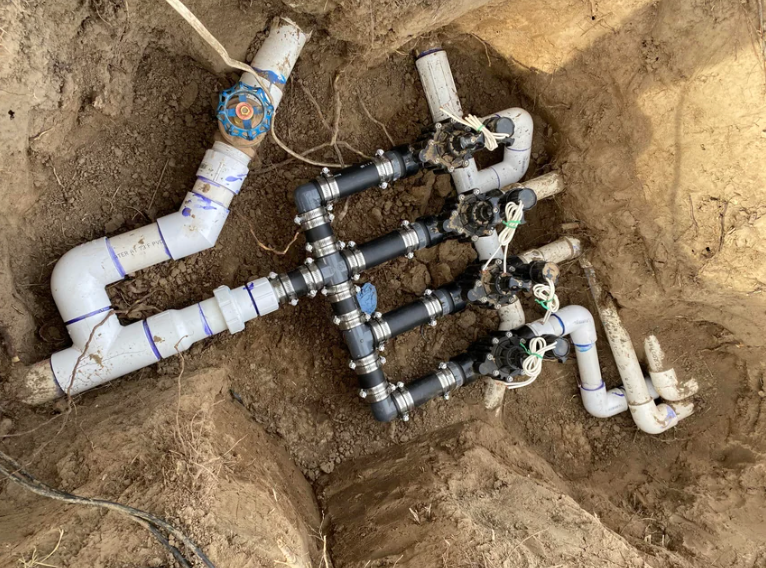
If you own property in Northern Utah or are planning to build a home in areas like Heber, Park City, Wasatch County, Summit County, or surrounding mountain communities, there is a good chance you have heard the term “alternative septic system.” Many homeowners are surprised to learn that not every property can use a traditional septic system. Soil conditions, slope, groundwater levels, and local regulations all play a role in determining what type of onsite wastewater system will work best.
That is where alternative septic systems come in.
Alternative septic systems are designed for properties where a standard septic setup may not perform properly. These systems help safely treat wastewater in areas with rocky terrain, shallow soil, steep slopes, or poor drainage. In Northern Utah, these challenges are common, especially in mountain properties and rural developments.
At Regal Service Team, we help homeowners throughout Northern Utah understand their septic options and choose systems that are reliable, efficient, and built for local conditions. In this guide, we will break down some of the most common alternative septic system options, including aerobic systems, mound systems, recirculating sand filtration systems, and drip distribution systems.
An alternative septic system is any onsite wastewater treatment system that goes beyond a conventional septic tank and drain field setup. These systems are typically used when:
Instead of relying solely on natural soil filtration, alternative systems often use additional treatment methods to clean wastewater before it enters the ground.
While these systems are generally more complex than standard septic systems, they can provide excellent long-term performance when properly designed and maintained.
Northern Utah presents unique challenges for septic installation. Mountain communities often deal with:
Traditional septic systems require ideal soil conditions and enough space for wastewater to disperse naturally. Many properties in Wasatch County and Summit County simply do not meet those conditions.
Alternative septic systems allow homeowners to safely build and live in areas where conventional systems would fail.
One of the most common alternative septic system options is the aerobic treatment system.
Unlike traditional septic systems that rely on anaerobic bacteria, aerobic systems introduce oxygen into the treatment process. This allows aerobic bacteria to break down waste more efficiently.
These systems typically include:
The added oxygen helps wastewater receive a higher level of treatment before it enters the drain field.
Aerobic systems offer several advantages:
Because they treat wastewater more thoroughly, aerobic systems are often approved in areas where conventional septic systems are not possible.
Aerobic systems do require:
However, many homeowners find the added reliability and flexibility worth the investment.
In Northern Utah, aerobic systems are especially useful for mountain properties and environmentally sensitive areas.
Mound systems are another common alternative septic option for properties with shallow soil or high groundwater.
Instead of placing the drain field below ground, mound systems create an elevated drain field above the natural soil surface using specially engineered sand and gravel.
Wastewater is pumped from the septic tank into the mound, where it filters through layers of material before entering the native soil.
Mound systems are commonly installed when:
These conditions are very common in Northern Utah mountain areas.
Advantages include:
Mound systems typically cost more than conventional systems because they require:
They also become a visible feature in the landscape, which some homeowners may not prefer.
Still, for many properties in Wasatch and Summit County, mound systems provide a safe and dependable solution.
Recirculating sand filtration systems provide another highly effective alternative septic option.
These systems use sand as a natural filtration medium to clean wastewater before it reaches the drain field.
Wastewater flows through:
The sand removes contaminants and improves wastewater quality before it enters the soil.
These systems are known for:
They are often used in environmentally sensitive areas where groundwater protection is important.
Sand filtration systems can require:
Installation costs may also be higher due to engineering and materials.
However, they can be an excellent long-term investment for difficult properties in Northern Utah.
Drip distribution systems are becoming increasingly popular for properties with steep slopes or limited space.
Instead of using large drain field trenches, drip systems distribute treated wastewater through small flexible tubing buried close to the surface.
Wastewater is released slowly and evenly throughout the soil.
Drip systems work well because they:
These systems are particularly useful on mountain properties where traditional drain fields are difficult to install.
Advantages include:
Because drip systems use pumps and filters, they require ongoing maintenance and inspections to ensure proper operation.
Still, they are one of the most versatile alternative septic solutions available today.
Every property is different. Choosing the right system depends on several factors:
This is why a professional site evaluation and perc test are so important before designing a septic system.
At Regal Service Team, we help homeowners throughout Northern Utah determine which system will perform best for their property and long-term needs.
In most cases, yes.
Alternative septic systems typically cost more upfront than conventional systems because they involve:
However, they also allow homeowners to build on properties that otherwise may not support a traditional septic system.
In areas like Heber and Park City, where land conditions can be challenging, alternative systems are often the safest and most reliable solution.
Alternative septic systems are highly specialized. Proper design and installation are critical for:
Improper installation can lead to:
Working with an experienced local contractor ensures your system is designed specifically for Northern Utah conditions.
At Regal Service Team, we specialize in septic systems, excavation, and onsite wastewater solutions throughout Northern Utah. We understand the unique challenges that come with mountain properties, rocky terrain, and local permitting requirements.
Our team helps homeowners with:
Whether you are building a new home or replacing an aging system, we can help you find the right solution for your property.
Alternative septic systems play an important role in helping homeowners safely build and maintain properties in Northern Utah’s challenging terrain. From aerobic systems and mound systems to recirculating sand filtration and drip distribution systems, these options provide reliable wastewater treatment where conventional septic systems may not work.
While alternative systems often require more planning and investment, they offer flexibility, environmental protection, and dependable performance for difficult sites.
If you are considering a septic system in Heber, Park City, Wasatch County, Summit County, or surrounding areas, Regal Service Team is here to help guide you through the process and recommend the best solution for your property.

