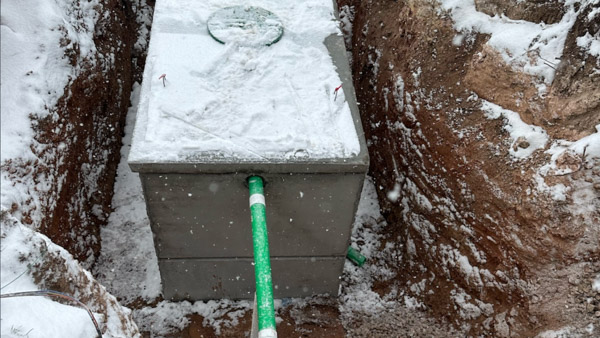
When most people think about septic systems, they picture large rural properties with plenty of open land for a traditional drain field. But in many parts of Northern Utah, that is not always the reality. Smaller lots with limited space, mountain terrain, slope restrictions, and environmental regulations can make it difficult to install a standard septic system.
That is where alternative septic systems become incredibly important.
If you own property in Heber, Park City, Wasatch County, Summit County, or surrounding areas, you may need an alternative septic solution designed specifically for limited space. Fortunately, modern septic technology has made it possible to safely and effectively treat wastewater even on challenging lots.
At Regal Service Team, we help homeowners throughout Northern Utah find septic solutions that fit their property, local regulations, and long-term needs. In this guide, we will explain why some properties require alternative septic systems and take a closer look at two of the most effective options for small or difficult lots: aerobic systems and drip distribution systems.
Traditional septic systems rely on large drain fields to naturally filter wastewater into the soil. This works well when:
Unfortunately, many Northern Utah properties do not meet those conditions.
In mountain communities and growing residential areas, homeowners often face:
These challenges can make a standard septic system difficult or impossible to install.
Alternative septic systems are designed to solve those problems while still safely treating wastewater and protecting the environment.
An alternative septic system is any onsite wastewater treatment system designed to work where conventional septic systems cannot.
These systems use advanced treatment methods, specialized distribution systems, or engineered designs to overcome difficult site conditions.
Alternative septic systems are commonly used when:
In Northern Utah, alternative septic systems are becoming increasingly common as more homes are built on mountain properties and smaller parcels.
One of the best alternative septic options for limited-space properties is the aerobic treatment system.
Traditional septic systems rely on anaerobic bacteria, which function without oxygen. Aerobic systems, on the other hand, introduce oxygen into the treatment process to encourage aerobic bacteria growth.
These bacteria break down waste much faster and more effectively.
An aerobic system typically includes:
The system actively treats wastewater before it enters the drain field or dispersal area.
Aerobic systems produce cleaner wastewater than traditional septic systems. Because the wastewater receives a higher level of treatment, the drain field often requires less space.
This makes aerobic systems ideal for:
For homeowners in Heber and Park City, this can make the difference between being able to build on a property or not.
One of the biggest advantages is reduced drain field size. This is extremely important on compact lots where space is limited.
Aerobic systems treat wastewater more thoroughly, helping protect groundwater and nearby waterways.
These systems can often be installed in areas where conventional septic systems are not allowed.
Because aerobic systems provide advanced treatment, they reduce the risk of contamination and environmental damage.
While aerobic systems offer many benefits, they also come with additional considerations.
Aerobic systems typically cost more than standard septic systems because they include mechanical components and advanced treatment equipment.
These systems rely on aerators and pumps, which require electricity to operate.
Regular inspections and maintenance are essential to keep the system functioning properly.
However, many homeowners find that the benefits outweigh the additional maintenance requirements, especially when dealing with limited-space properties.
Another excellent alternative septic option for small lots is the drip distribution system.
These systems are especially useful for irregular terrain, steep slopes, and properties with minimal usable space.
Drip distribution systems slowly distribute treated wastewater through small tubing installed beneath the soil surface.
Instead of using large trenches like a traditional drain field, the system releases wastewater evenly across a carefully designed area.
The process usually includes:
Because wastewater is distributed slowly and evenly, the soil can absorb and treat it more effectively.
Drip distribution systems are designed to maximize efficiency in smaller areas.
They work particularly well for:
These systems allow homeowners to utilize areas that would not work with a standard drain field.
Drip systems require less excavation than traditional drain fields, which helps preserve landscaping and natural terrain.
The tubing can be installed around obstacles and across irregular property shapes.
Many Northern Utah properties have steep grades that make conventional systems difficult. Drip systems are specifically designed to handle these conditions.
Even distribution reduces oversaturation and improves treatment performance.
Like aerobic systems, drip distribution systems require ongoing maintenance.
Homeowners should expect:
Routine maintenance helps prevent clogs and ensures consistent performance.
Properties throughout Northern Utah often face conditions that challenge conventional septic installation.
In areas like:
Many lots are:
Alternative septic systems allow homeowners to safely develop these properties while meeting local health and environmental requirements.
Without these advanced systems, many mountain lots would not be buildable.
Every property is different, which is why septic system design should never be one-size-fits-all.
Choosing the right alternative septic system depends on:
A professional site evaluation and perc test help determine which system is best suited for your property.
Alternative septic systems are highly specialized. Proper installation is critical for:
Poor installation can lead to:
At Regal Service Team, we understand the unique challenges that come with Northern Utah terrain and limited-space properties. Our team works closely with homeowners to design systems that are reliable, compliant, and built to last.
Alternative septic systems generally cost more than conventional systems due to:
However, they also provide solutions for properties that otherwise may not support a septic system at all.
In many cases, they are the only practical option for smaller lots or mountain terrain.
While the upfront investment may be higher, alternative septic systems provide long-term benefits:
For many homeowners in Northern Utah, these systems are well worth the investment.
At Regal Service Team, we specialize in:
We work with homeowners throughout Northern Utah to create septic solutions that fit both the property and local regulations.
Whether you are building on a small lot, steep mountain property, or difficult terrain, our team can help you navigate the process from start to finish.
Limited space does not have to prevent you from installing a safe and effective septic system. Modern alternative septic systems like aerobic treatment systems and drip distribution systems make it possible to build on properties that would otherwise present major challenges.
These systems are designed specifically for difficult conditions often found throughout Northern Utah, including rocky soil, sloped terrain, and smaller building lots.
If you are planning a build in Heber, Park City, Wasatch County, Summit County, or surrounding areas, Regal Service Team can help you explore the best alternative septic options for your property and ensure your system is built for long-term success.

